Alex Leever Brings a Racer’s Perspective to SYNC Performance

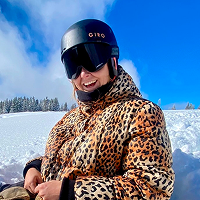
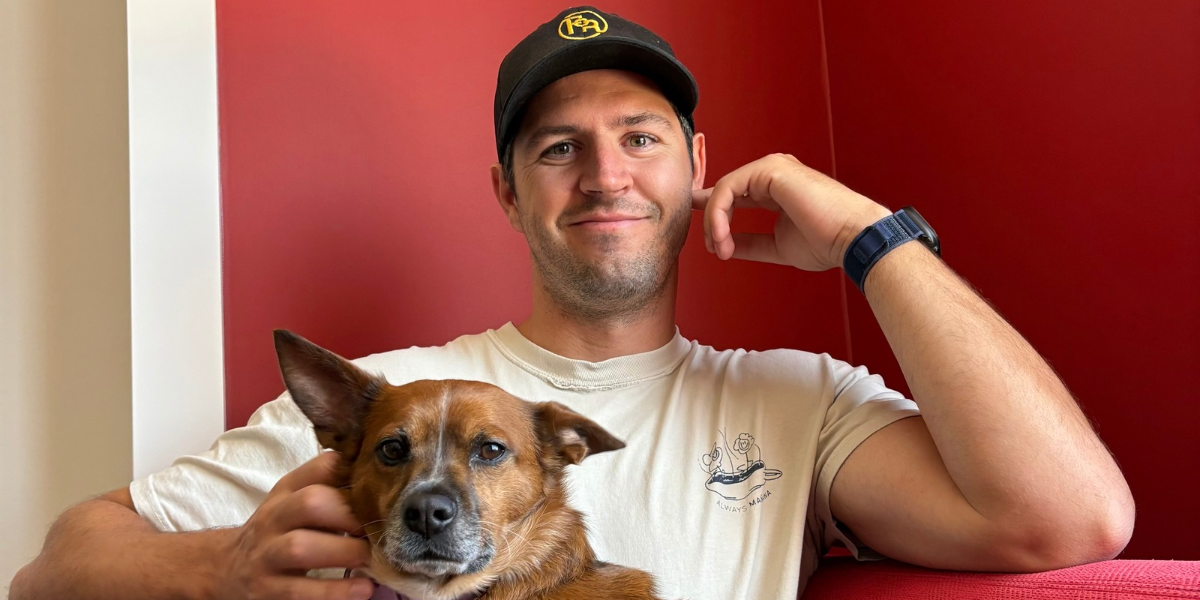
Alex and Riva Leever
Before Alex Leever became CEO of SYNC Performance, I knew him as a racer who pursued his own ambitions while sincerely celebrating someone else’s success.
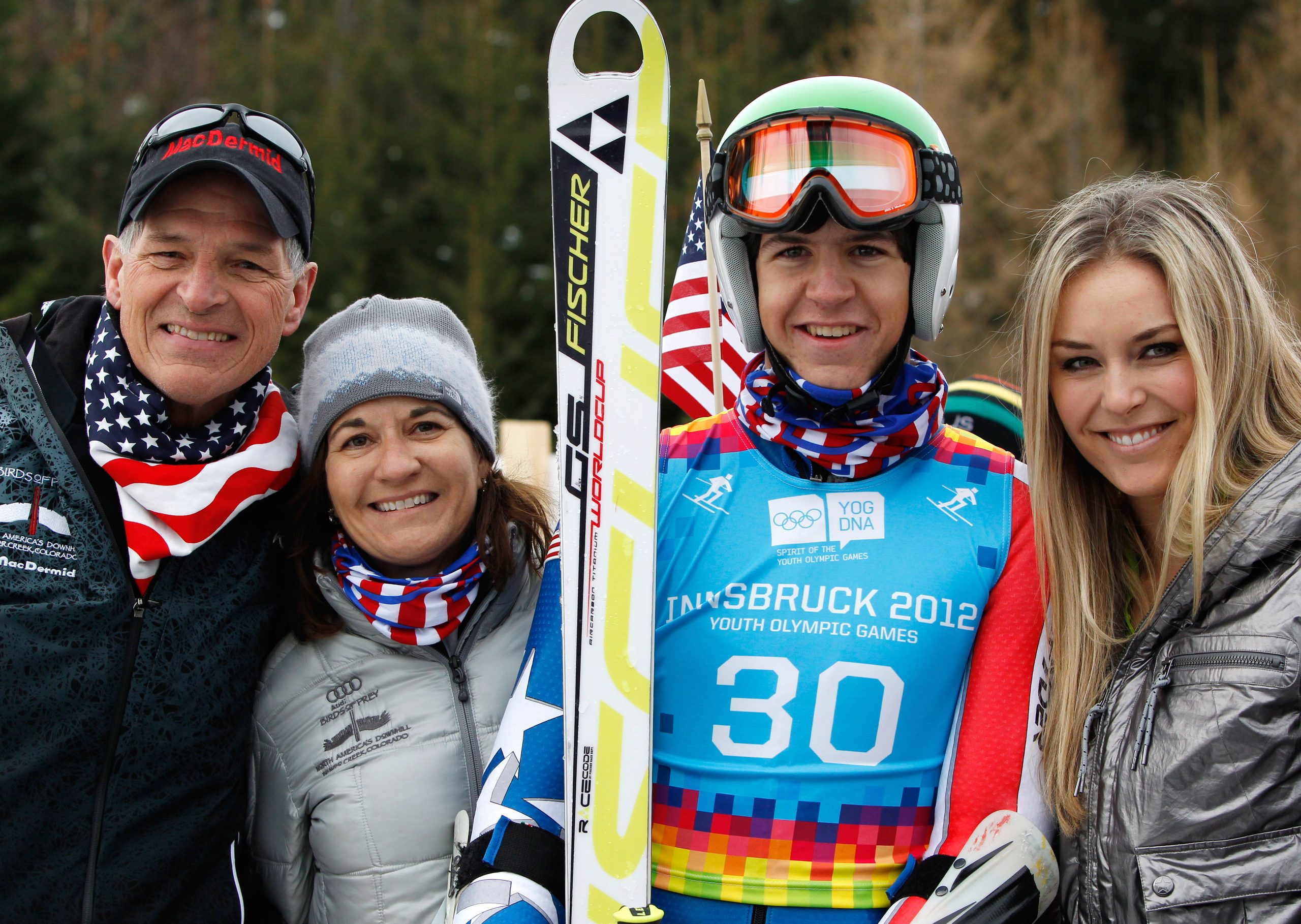
I coached Alex for more than a decade, including his final racing season in 2021–22. He pushed himself to improve and supported the people competing alongside him. His consideration for others stood out as much as his skiing.
Today, he brings that perspective to a different kind of team.
At SYNC Performance, Leever is helping shape ski racing clothing and gear around problems he understands firsthand: training shorts that need to fit better, race suits that must reach athletes overseas and junior apparel that needs to survive a demanding season.
His direction for the company is straightforward.
“Instead of going broader, we want to go deeper,” Leever said.
The community that brought him back
Leever’s racing career took him through Ski and Snowboard Club Vail, the University of Denver, the U.S. Ski Team’s National University Team and independent Europa Cup and World Cup racing.
At the University of Denver, he represented the Pioneers at the 2017 and 2018 NCAA Championships. An eighth-place slalom finish in 2018 earned him second-team All-American honors. He was also part of Denver’s ski program during three NCAA team championship seasons: 2014, 2016 and 2018.
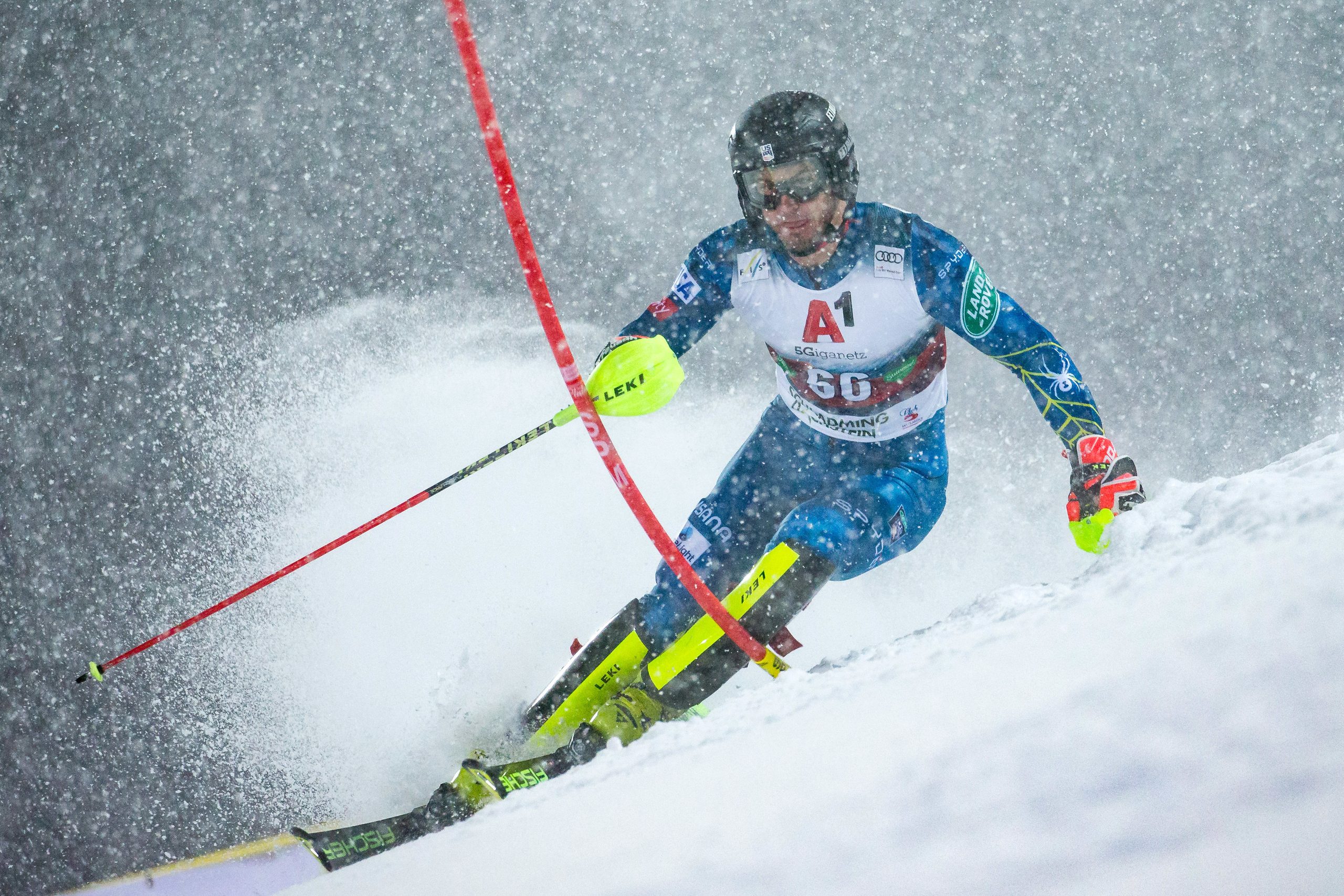
He continued pursuing international racing after college. In January 2021, he finished 24th in the Schladming night slalom, earning his first World Cup points. The following month, he represented the United States at the World Championships in Cortina d’Ampezzo, Italy.
Along the way, he completed a bachelor’s degree in finance and a master’s degree in applied quantitative finance at DU.
After retiring, Leever put that education to work at Fidelity as a financial planner. He enjoyed helping people make better financial decisions. Still, he wanted work that felt more tangible.
SYNC offered an opportunity to do that within the ski racing community he knew well. The company had sponsored him during his racing days, and his father owned a controlling interest, so it felt like a natural fit.
Leever asked SYNC’s leadership whether there was a role for him. Together, they found a way for him to contribute. Over roughly three years, his responsibilities grew, leading to his appointment as CEO about six months before our interview.
Working with athletes gives that return particular meaning.
“I’ve been there, and I know exactly what you’re going through,” he said.
Click on images to enlarge
Going deeper into ski racing
SYNC traces its beginnings to 2014. Its early Stretch Puffy jacket helped establish an approach built around athletes’ needs, with warmth, light weight and freedom of movement central to the design.
According to Leever, Kickstarter community support helped fund that early product. Race suits, outerwear and training apparel became central to SYNC’s identity. Over time, the company also broadened its offerings into ski touring clothing and activewear.
Leever wants to focus exclusively on ski racing products. His plan combines improvements to the race suits and apparel athletes already rely on with further development of protective gear, including shin guards, arm guards and back protectors.
Each product must serve a clear purpose and solve a problem racers encounter on the hill.
His experience helps him communicate those needs to designers and developers. A detail that looks minor on a sample can become an annoyance after repeated runs or contact with gates.
For protective gear now in development, Leever described repeated revisions to address those details. Raised ridges on an arm guard can help improve its performance and durability. A back protector needs to fit securely without adding bulk that restricts movement.
He brings an athlete’s perspective to those discussions, while product specialists contribute the expertise to turn feedback into finished gear.
“We look to the athletes we work with to help identify the best way to solve a problem,” he said.
A better fit starts with listening
The Women’s Session Short offers a practical example.
Growing up, Leever found that training shorts often felt bulky and poorly shaped for the athlete wearing them. SYNC developed a more fitted unisex version, but feedback made clear that women needed their own design.
The company brought female athletes together to discuss what should change. Their input helped shape a higher waist and different proportions through the hips and legs.
The resulting short accommodates the demands of skiing in an athletic position, with room where athletes need it and a waist designed to stay secure.
For Leever, the lesson extends across the product line.
Coaches contribute observations about features and daily use. Parents raise questions through customer service and reviews. Racers explain what works during training and what gets in their way.
That feedback informs development. For a planned rain shell, Leever said the team examined reviews of both SYNC’s existing product and other brands’ offerings to understand what customers wanted improved.
The goal is to turn those observations into useful changes athletes can feel on the hill.
Understanding what an urgent order means
A parent ordering training shorts in August may have a child leaving for a camp the next day.
Leever wants SYNC’s customer service team to recognize that possibility immediately.
The company recently hired a former NCAA skier for a customer service role. That racing background helps the employee understand the questions behind an order: Where is the athlete going? When do they leave? Where does the gear need to arrive?
Sometimes, the solution requires changing a shipping address. In other cases, Leever said SYNC has arranged to send race suits directly to athletes’ European hotels.
He also described a Canadian order that arrived in separate shipments. A shipping error caused the customer to receive an unexpected duty charge on the second package.
After investigating, SYNC covered the charge so the customer could receive the jacket without absorbing the additional cost.
Those situations illustrate the relationship Leever wants customers to have with the company.
“We’re the people at the other end of the email or phone call, and we’ll do what we can to help you,” he said.
Team identity, individual needs
Team clothing carries meaning beyond warmth. It identifies a program and gives athletes something they share.
Through its custom team program, SYNC works with clubs and schools to select apparel, apply team logos and create dedicated online team stores. Families can then order their team’s gear directly in the sizes they need.
Race suits allow another level of collaboration.
Teams can adapt an existing pattern with their colors and logos or work with a graphic artist on a fully custom design. Leever described a collaborative process of exchanging ideas and revisions until the team reaches a design it wants to wear.
Three fabric choices help match each suit to the athlete’s needs and budget.
A durable, non-FIS-rated fabric serves juniors, training and racers who do not need FIS-compliant suits. The standard FIS-rated option balances durability with racing requirements. The World Cup fabric prioritizes racing performance, with a trade-off in durability.
For junior suits, longevity carries particular weight. Parents already face substantial costs in ski racing, and Leever wants the fabric to withstand frequent training and help stretch their budgets.
Those choices reflect SYNC’s three product priorities: performance, durability and confidence. Leever wants athletes to trust their gear so they can concentrate on training and racing.
Getting the race suit fit right
Leever also understands a familiar challenge for racing families: choosing a suit after a young athlete has grown over the summer.
His advice starts with height and torso length. Race suit fabric stretches, but the zipper doesn’t, so torso fit is crucial.
Athletes of similar height but different builds may therefore wear the same size. Weight alone does not tell the whole story.
For parents unsure which size to order, SYNC’s customer service team can help them work through the sizing guidance. Having someone who understands racing on the other end of that conversation can make the decision easier.
A team that stays connected to the hill
Leever’s enthusiasm for SYNC also comes from the people around him.
Employees follow race results, discuss skiing and bring their own athletic experiences to the work. He wants them to keep learning about customers whose racing lives differ from their own.
Last year, SYNC paid for employees to attend nearby races to learn more about the athletes using its products.
For Tucker Marshall, whose background includes extensive experience around Nor-Am athletes, that meant attending the Fisk Trophy Race, a historic slalom at Vermont’s Saskadena Six. Katie Gilligan and Kristine Wallace, two employees who frequently work with younger racers through SYNC’s custom program, attended the Nor-Am competitions at Whiteface.
The exercise encouraged staff to see beyond their familiar part of the sport and bring fresh observations back to the company.
For Leever, that connection makes the work rewarding.
“I think it’s the people I get to work with,” he said. “We have a great team that we’ve put together.”
Building a company racers can count on
Leever’s finance background helps him evaluate what SYNC can afford to develop and how to support the people doing the work.
He looks beyond sales totals to understand what each part of the business contributes after its direct expenses. Those decisions help the company sustain product development and customer service over time.
His ambition remains substantial.
“Our ultimate goal is to be a one-stop shop for everything you need for ski racing,” he said. “We’re not there yet.”
For now, that vision takes shape in the details: asking women what would improve their training shorts, choosing junior suit fabrics with wear in mind and finding a way to get gear to an athlete before a race.
I recognize something familiar in that approach. The racer I coached cared about his own progress and the people pursuing theirs.
At SYNC, Alex Leever has found another way to support both.
Disclosure: Dan Leever, Alex Leever’s father and SYNC Performance’s primary owner, also owns Ski Racing Media.
About the Author: Peter Lange
Related Post